Popular Searches:
Keep up to date
Sign up today for exclusive offers and incredible experiences you won’t want to miss at Queen Elizabeth Olympic Park.
Sign up now
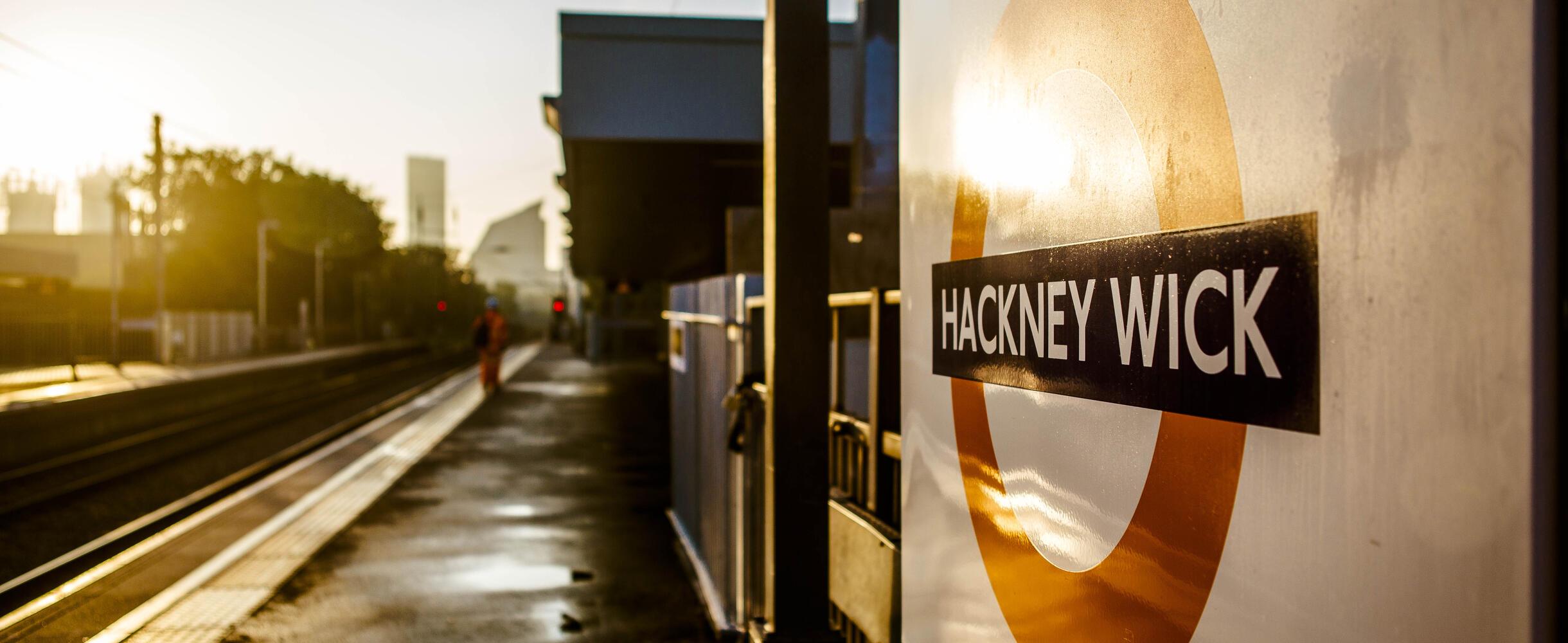
Hackney Wick & Fish Island
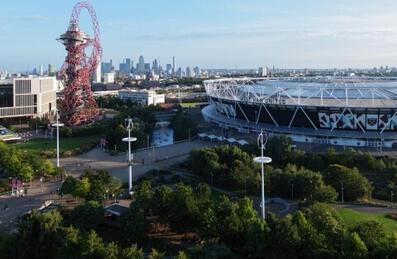
Hackney Wick has one of the highest concentrations of artists and designers in Europe. The Olympic and Paralympic Games split Hackney Wick into quadrants, the following years have focussed on bringing these areas back together through quality placemaking.
LLDC combined research, policy-making, major infrastructure, and the delivery of new homes and workspaces, all underpinned by collaboration with the existing community, to transform Hackney Wick and Fish Island (HWFI) into a thriving arts scene, a Creative Enterprise Zone (CEZ), and a home for new communities and businesses. Between 2011 and 2021, the population grew by 43% - more than five times the London average.
Our approach
In the early 2000s the industrial heritage was in decline and housing development proposals for the area were low-quality, not meeting local needs and threatening the existing creative economy. In response, the area was identified in the Greater London Authority (GLA) London Plan as an Opportunity Area in 2004, and in 2012 LLDC obtained planning powers to develop a coordinated approach to guide development, attract investment, and protect local character.
This included expanding conservation areas, carrying out qualitative employment space provision studies, and engaging with the HWFI community through a series of events, awards, and commissions. LLDC produced a Local Plan to support heritage-led, mixed-use regeneration, housing growth, and creative and industrial spaces, and co-led the Hackney Wick Centre Masterplan combining traditional urban design methods with an intensive and iterative collaboration with over 35 landowners.
Supporting business and culture
LLDC continues to champion the area’s culture of innovation through targeted business support, enterprise programmes and partnership working with local boroughs.
Protecting business space in the area has always been a priority and the LLDC local plan commits to a zero net loss of employment workspaces. Since 2012, 37,000sqm of commercial floorspace has been delivered or redeveloped, with a further 28,000sqm approved or under construction in 2024.
LLDC has additionally initiated the following :
-
Creative Enterprise Zone (CEZ): Established in 2018 to cover the wider geographical area, the HWFI CEZ has seen a 140% increase in jobs and a 30% rise in businesses, most of which are micro or small creative businesses.
-
Trampery sustainable fashion accelerator: A bespoke business programme supporting 35 fashion companies to integrate sustainability into their business models.
-
Fashion District: 4,600 sqm of studios, manufacturing, coworking and venues delivered, supplemented by a circular fashion innovation challenge and a Sustainable Fashion Accelerator.
-
HWFI developer and business engagement manager: A place- based role dedicated to supporting local businesses with leases, finding, and securing space, and collaborating with developers to design adequate affordable workspace strategies.
-
Hackney Bridge 12 year interim use: A collaboration with developers to deliver a programme of workspaces, cultural and community uses, and employment on a site that would otherwise sit empty.
-
Build East Skills Centre: A leading training centre supporting green construction skills and local employment.
Nurturing community
LLDC prioritised working with local creators to deliver public interventions and supported opportunities to make the existing community more visible. Examples include:
-
Hub 67 & Frontside Gardens: A skate park and community hub made using recycled materials from the Olympic site.
-
Emerging East Grant Support: Grants from £1000 - £10,000 offered to temporary projects that creatively engaged the communities and activated the Park.
-
Partnership working: Collaboration and provision of support for groups including the Cultural Interest Group, the Community Development Trust and the Community Anchor Network.
-
The Yard Theatre: Supported The Yard Theatre in securing their premises in Hackney Wick.
-
Canal Moorings: Collaboration with the Canal & River Trust to unlock the Park’s canals as leisure and commercial resources.
Delivering homes and workspaces
By the end of 2024, HWFI had seen 2,300 new homes built alongside an extensive provision of workspace, with a further 2,300 homes permitted. These spaces were proactively shaped by LLDC as planning authority to ensure high quality development.
In addition LLDC as developer has invested in:
-
The White Building: A former canalside industrial building refurbished to house artist studios and creative businesses.
-
Here East: The former Press and Broadcast Centre for the Games, now home to Loughborough University London, University of Staffordshire London, and V&A East Storehouse.
-
Hackney Yards: A mixed use scheme providing 190 affordable homes, over 8,000m2 of public realm and non-residential space, including retail, commercial, community facilities and low-cost workspace.
-
East Wick and Sweetwater: A new mixed-use neighbourhood between the Park and canal providing schools, a health centre and library.
-
Waterden Green: A green space co-designed with local young women specifically for teenage girls.
Connecting places - infrastructure and public realm
Narrow streets, canals and industrial yards give the area its distinctive character, but have historically limited movement and connectivity. Extensive masterplanning and new infrastructure has been delivered to better connect neighbourhoods, public spaces and transport links.
-
Hackney Wick Overground Station: Narrow streets, canals and industrial yards give the area its distinctive character, but have historically limited movement and connectivity. Extensive masterplanning and new infrastructure has been delivered to better connect neighbourhoods, public spaces and transport links.
-
Hackney Wick Overground Station: A full upgrade to the station, delivering accessible platforms and a pedestrian connection under the railway connection Hackney and Tower Hamlets.
-
North-South connections: A new accessible bridge creates a direct link between Fish Island and the Overground station, improving safety, ecology and accessibility.
-
Western Bridges: Four new bridges now connect HWFI to Stratford and enable bus routes into Fish Island.
-
New Public Realm: Local fabricators and artists were commissioned to help create new public spaces and upgrade existing ones.